
A Full-Year Internal Events Calendar: 12 Occasions and How to Budget
A suggested full-year calendar of internal company events: 12 occasions worth marking, the right scale for each, how to allocate the annual budget, and a planning template for HR.
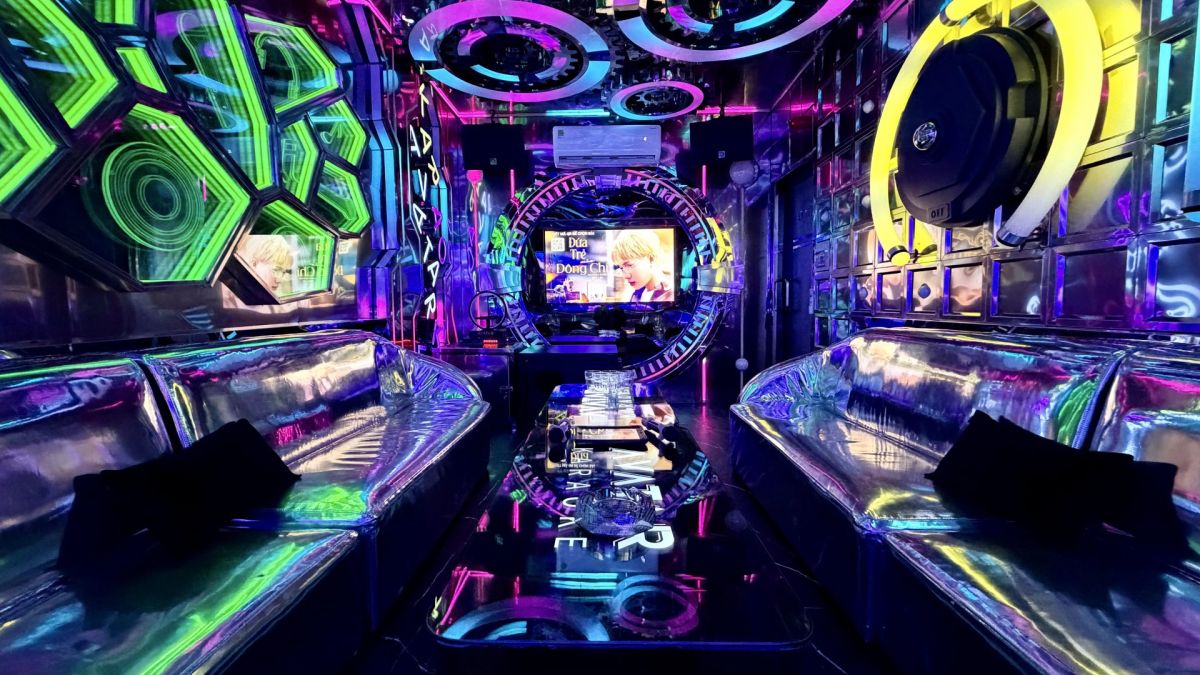
Most companies run internal events reactively: December arrives, everyone scrambles for a year-end venue, and the middle of the year has nothing in it at all.
A better approach is to plan the whole year and get the budget approved once. It lets HR work ahead, lets finance forecast, and most importantly creates a steady rhythm instead of one big event followed by eleven months of silence.
12 occasions worth marking in a year
| Month | Occasion | Suggested scale | Priority |
|---|---|---|---|
| Jan | Year-end party | Whole company | ★★★ Essential |
| Feb | New-year kick-off (after Tet) | Whole company or the sales division | ★★★ Essential |
| Mar | International Women's Day (8 March) | Whole company, small scale | ★★ Worth doing |
| Apr | Celebrating the Q1 close | Sales division | ★★ Depends on results |
| May | Mid-year team building | By division or department | ★★ Worth doing |
| Jun | Half-year review plus recognition | Whole company | ★★★ Worth doing |
| Jul | Welcome party for mid-year hires | The departments involved | ★ Optional |
| Aug | Q2 close / company birthday | Depends on the milestone | ★★ |
| Sep | Client appreciation | Sales division plus guests | ★★ |
| Oct | Team building / bonding activity | By division | ★★ |
| Nov | Preparing for the year-end sprint | Sales division | ★ |
| Dec | Year-end party (if held before the solar new year) | Whole company | ★★★ |
Plus: a monthly group birthday for staff — small in scale, fixed in cost, and the activity with the steadiest effect on morale.
How to allocate the annual budget
Say a company of 50 people has 150 million₫ for internal events across the year. A sensible allocation:
| Item | Times per year | Budget each | Total |
|---|---|---|---|
| Year-end party (the biggest event) | 1 | 32 million | 32 million |
| New-year kick-off | 1 | 30 million | 30 million |
| Half-year review plus recognition | 1 | 25 million | 25 million |
| Quarterly close celebrations (sales) | 2–3 | 10 million | 25 million |
| Monthly group birthdays | 12 | 1.2 million | 14.4 million |
| 8 March and smaller occasions | 2 | 5 million | 10 million |
| Contingency | — | — | 13.6 million |
| TOTAL | 150 million |
Three allocation principles:
- The two biggest events (year-end and kick-off) take around 40% — they have the greatest impact
- Keep at least 10% as contingency — something always comes up: a big deal signed, a delegation to host, an unexpected milestone
- Do not put everything into one event — one 100-million year-end party followed by nothing for a year is far less effective than spreading it out
Three ways to optimise the annual budget
1. Settle on one venue and negotiate annually.
If you hold 5–8 events a year at the same place, you have standing to negotiate: priority on rooms in peak season, a regular-client rate, more flexibility on deposits and cancellations. Choosing a different venue every time never gets you any of that.
2. Favour weekday slots.
Most internal events happen after work on weeknights — precisely the window many venues discount. That alone can save 8–12% of the annual budget.
3. Book peak season early.
The year-end party and the kick-off are the two occasions where price and availability move most. Booking 4–6 weeks ahead not only secures the space but usually gets you better terms.
An annual event planning template (copy into Excel)
| Month | Event | People | Approved budget | Venue | Status | Owner |
|---|---|---|---|---|---|---|
| Jan | Year-end party | 50 | 32,000,000 | Not booked | ||
| Feb | Kick-off | 50 | 30,000,000 | Not booked | ||
| Mar | 8 March | 50 | 5,000,000 | Not booked | ||
| … |
This is the document you take for approval once at the start of the year — after that it is execution all year, instead of asking for sign-off again every quarter.
Measuring whether internal events work
Plenty of HR teams get asked "what do all these events actually achieve" and have no numerical answer. Three simple metrics to track:
- Attendance rate — what percentage of staff actually turned up (under 70% is a sign the format needs rethinking)
- A quick post-event survey — one question on a Google Form: "How would you rate that evening out of 10?"
- Quarterly attrition — not a direct cause, but a baseline worth watching alongside
Avatar Karaoke — an internal events partner in District 1, open since 2010
- Rooms for 8 to 50 guests, for events of any size
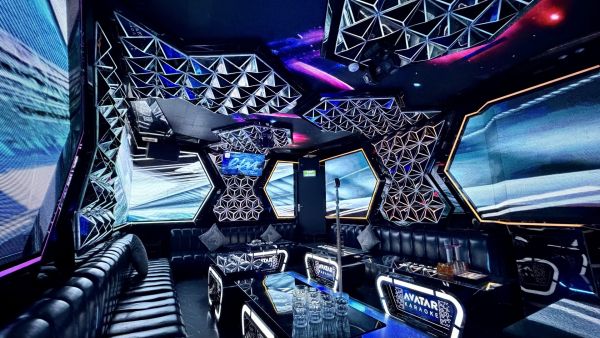
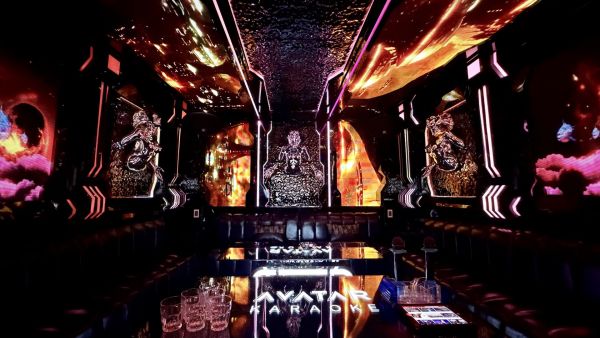
- Wall-to-wall 3D LED for showing your own content
- VAT invoicing
- Written booking confirmation
- Free car parking
- Companies running events regularly through the year: get in touch to discuss long-term terms and priority room holds in peak season.
- 63–65 Pham Viet Chanh, Cau Ong Lanh Ward (formerly District 1), HCMC
- 0915.03.1111
See our corporate event packages · room list · set menus
Real rooms at Avatar Karaoke

Read more articles
- Executive Birthdays & Company Anniversaries: Getting the Details Right 22/08/2026
- Karaoke Near the District 1 Office Cluster: Getting There & Car Parking 20/08/2026
- 3D LED Walls at Internal Events: Logos, Awards and Thank-You Videos 18/08/2026
- Milestone Birthdays & Family Gatherings: Choosing a Space for Three Generations 14/08/2026
- Evening Team Building: Why a Private Space Works Better Than a Restaurant 11/08/2026