
Evening Team Building: Why a Private Space Works Better Than a Restaurant
Evening team building at a restaurant versus in a private space: cost, how much people actually connect, which activities are possible, and six games that work for groups of 20-50.
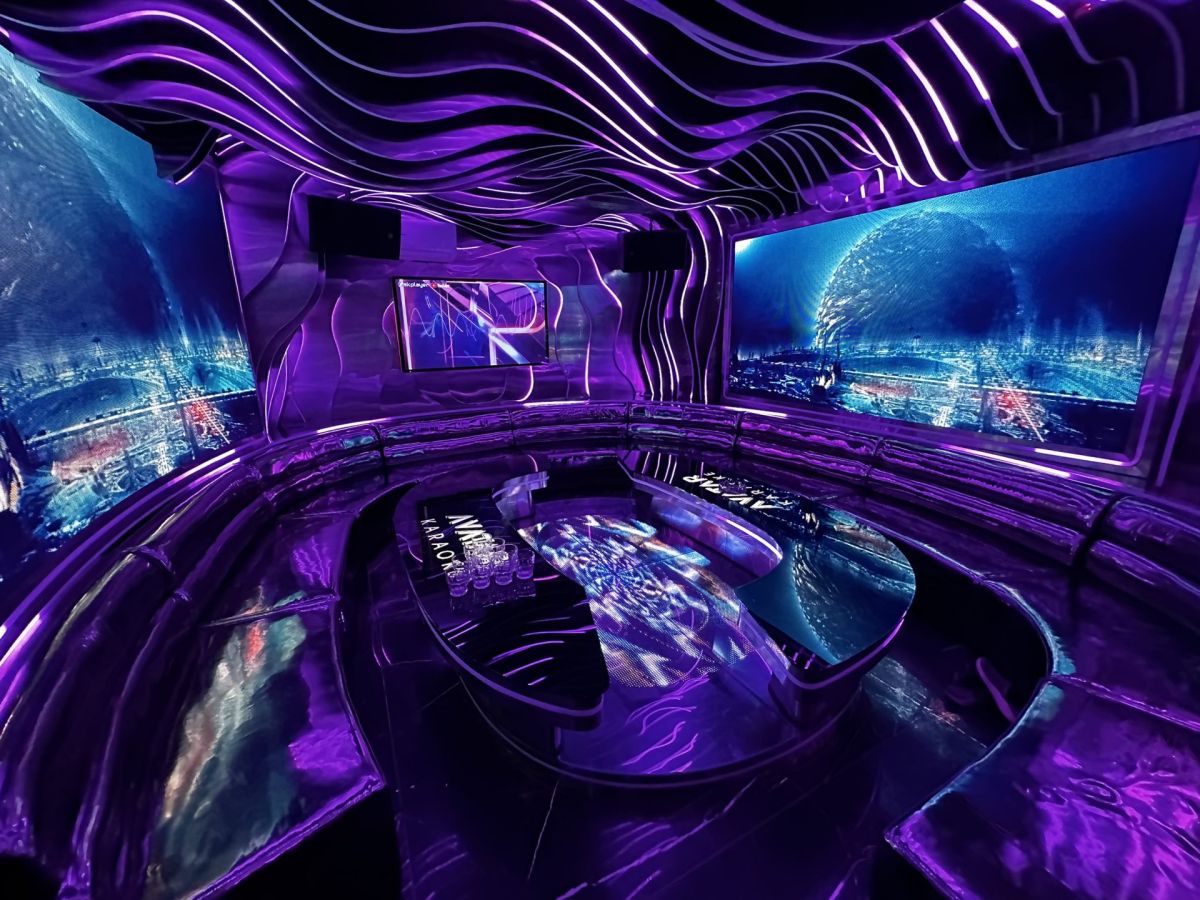
Not every company has the budget and the time for a two-day trip to Vung Tau. But almost every company can put on one bonding evening after work.
The problem is that an evening at a restaurant usually does not create any bonding, despite costing a fair amount.
Why eating at a restaurant does little for team feeling
Fixed long tables. Thirty people down one long table means each person only talks to the three or four beside them. Two hours later you are still only closer to exactly the people you already share an office with every day.
No shared activity. Eating is not an activity — it runs alongside conversation. When the conversation dries up, the meal is over.
You cannot be loud. A restaurant has other tables. Team building needs laughter, cheering and applause — all of which get suppressed in a shared space.
It ends early. Most restaurants push the pace to turn tables over. By 9pm everyone is standing up and heading their separate ways.
A private space solves all four
| Problem | How a private space fixes it |
|---|---|
| Fixed seating | Several sofa clusters plus open space in the middle → people move around naturally |
| No activity | Microphones, screen and sound are already there → there is always something to do together |
| Cannot be loud | The room is sound-insulated → laugh, cheer and clap freely |
| Ends early | Booked by the hour, so you decide when to extend or stop |
The key point: bonding comes from doing something together, not from sitting in the same place together.
Six activities that work for groups of 20–50
1. Random duets
Draw pairs at random — favour pairing people from different departments. Each pair sings one song. It is the fastest way to break the ice between people who have never spoken.
2. Guess the voice
One person sings behind a curtain or with the lights off, and the group guesses who. Surprisingly effective at a company with a lot of new starters.
3. "The song from that year"
Put a year on the screen; whoever remembers the hit from that year sings it. It activates shared memory across different generations of staff.
4. Team challenge
Split into 3–4 teams with departments mixed together. Each team gets 10 minutes to prepare a performance. The room scores by applause.
5. "Who is the one who…"
Put questions on the screen: "Who gets to the office earliest?", "Who replies to messages fastest?", "Who makes the best coffee?". Everyone points and votes. Fun, needs no preparation, and makes people notice each other.
6. A surprise award board
Put light-hearted categories on screen: "Most helpful teammate", "Most patient with difficult clients". The prize does not need to be big — being named in front of the whole company is enough.
A three-hour team building run sheet
| Time | What happens | Purpose |
|---|---|---|
| 0:00 – 0:25 | Into the room, starters, background music, no formalities yet | Let everyone settle |
| 0:25 – 0:35 | Manager speaks briefly (under 3 minutes) + toast | Open it, do not drag it out |
| 0:35 – 1:05 | Random duets — ice-breaking | Mix the departments |
| 1:05 – 1:45 | Main course, open mingling | Let the energy settle |
| 1:45 – 2:20 | Team challenge + "Who is the one who…" | The peak |
| 2:20 – 2:45 | Award board on screen | Individual recognition |
| 2:45 – 3:00 | Group photo, close | Something to keep |
Cost comparison (group of 30, one evening)
| Restaurant | Private space | |
|---|---|---|
| Food and drink | ≈ 12–15 million₫ | ≈ 13–14 million₫ |
| Space rental | Usually free (bundled with the covers) | ≈ 2–2.6 million₫ (4 hours) |
| Sound, screen, microphones | Hired in at 3–8 million₫ | Already installed |
| Total | ≈ 15–23 million₫ | ≈ 18–19 million₫ |
| Actual length | 2–2.5 hours | 4 hours, on your terms |
| Activities possible | Limited | The full range |
Once you count the equipment hire, the two options cost roughly the same — but they produce very different outcomes.
Three things to keep in mind
1. Do not make every activity compulsory. There are always introverts. Design the programme so they still enjoy themselves while sitting and clapping.
2. Pick the right time slot. 5:30pm–8:30pm on a weeknight is the best window: straight after work, not so late that getting home is a problem, and usually discounted on the room rate.
3. Have non-alcoholic options. Team building should not turn into pressured drinking. Have juice, tea and soft drinks out so nobody who is not drinking has to explain themselves.
Avatar Karaoke — a space for internal bonding in District 1
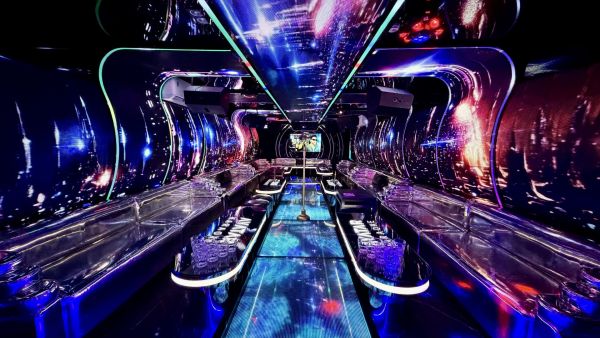
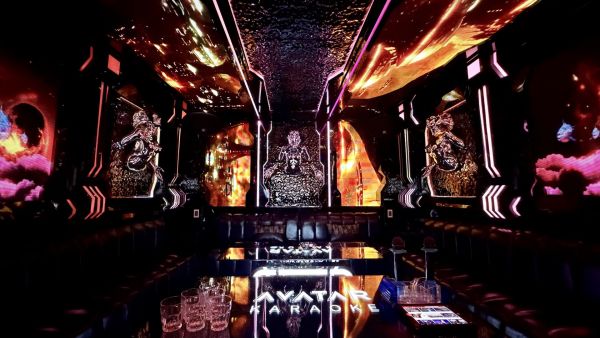
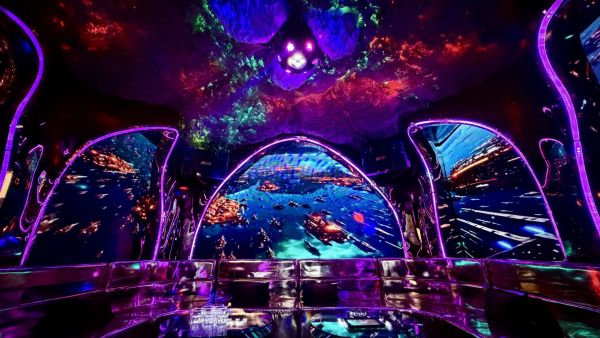
- Rooms for 20 to 50 guests, laid out with sofa clusters and open floor in the middle
- Wall-to-wall LED screens for award boards, quiz questions and team photos
- 4–8 microphones for large groups · weeknights 5pm–8pm at 30% off the room rate
- VAT invoicing
- 0915.03.1111
See our internal event packages · large rooms
Real rooms at Avatar Karaoke
Read more articles
- Deal Celebrations & Kick-offs: Run Sheets for Sales, Real Estate and Banking Teams 09/08/2026
- VAT Invoices, Deposits & Payment When Running a Company Party 07/08/2026
- All-Inclusive Party Packages for Companies: Building a Budget for 15–50 Guests 05/08/2026
- Karaoke Rooms for 30–50 Guests: 6 Technical Standards to Check 03/08/2026
- Hosting Business Partners at Karaoke: Etiquette and How to Choose the Room 01/08/2026